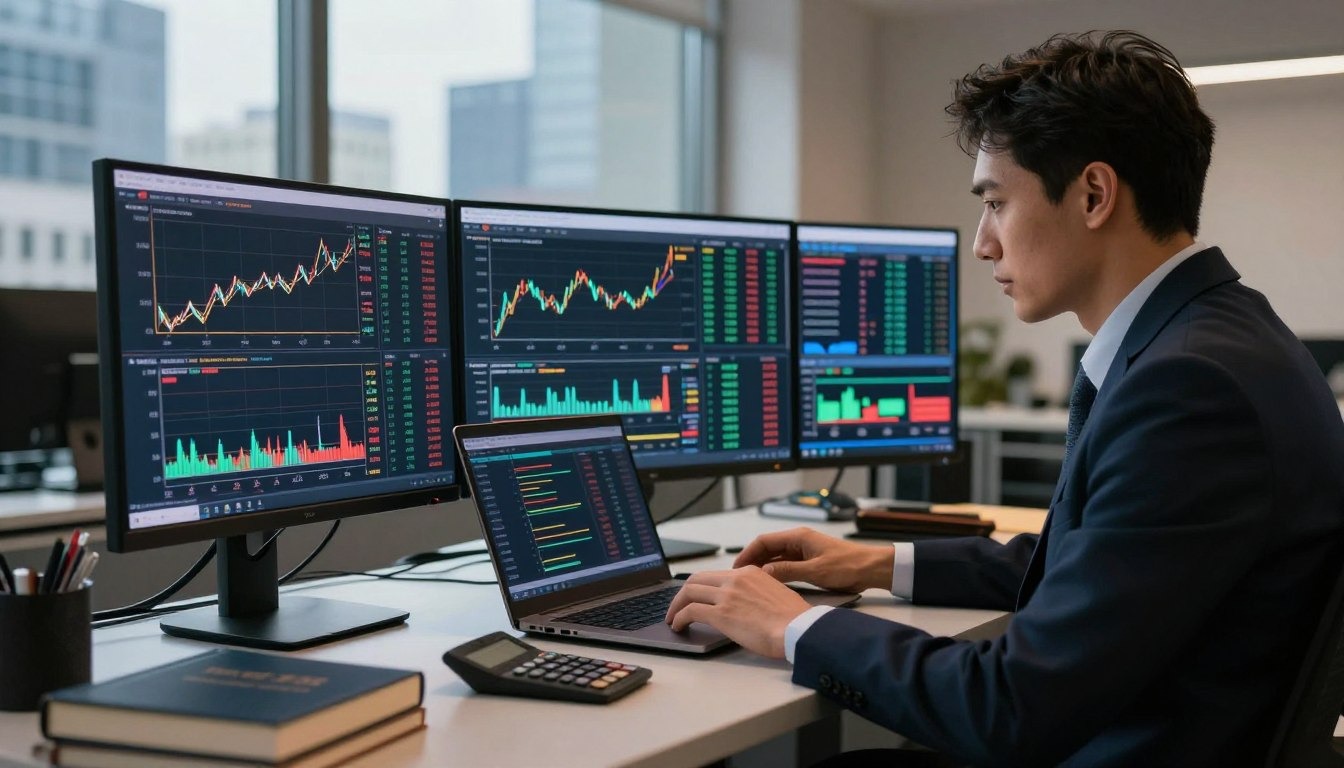
Exploring the world of currency exchange can be complex. A detailed forex trading guide is crucial. In 2026, the forex market is changing, offering both challenges and chances for traders.
Forex Trading Guide 2026: Strategies, Tips, and Tools for Beginners
To thrive, you must keep up with the latest strategies and tools. This guide aims to give you the key knowledge and insights. It’s designed to improve your currency trading journey.
Key Takeaways
- Understand the fundamentals of forex trading in 2026.
- Learn effective strategies for managing risk.
- Discover the latest tools and resources for traders.
- Enhance your trading skills with expert tips.
- Stay updated on market trends and analysis.
The State of Forex Trading in 2026
In 2026, Forex trading is changing fast. It’s shaped by market trends, economic factors, and new tech. As a trader, you need to understand these well to make smart choices.
Key Market Trends Shaping the Forex Landscape
The Forex market in 2026 is changing a lot. Digitalization and technological advancements are leading the way. They’re changing how we trade. Also, big world events and economic changes are key in shaping the market.
Economic Factors Influencing Currency Values
Things like GDP growth, inflation, and job numbers affect currency values. Knowing these is key to predicting market moves and making money.
Emerging Technologies Transforming Trading
New tech like Artificial Intelligence (AI) and Blockchain are changing Forex trading. AI helps traders make better choices with data. Blockchain makes transactions safer and more open.
By keeping up with these trends, factors, and tech, you can improve your trading plans. This way, you can do better in the Forex market in 2026.
Understanding the Basics of Forex Trading
Forex trading basics are key to building a successful trading career. To trade well, you must know the market’s core parts.
Currency Pairs Explained
In Forex, currencies are traded in pairs. For example, the EUR/USD pair is the euro against the US dollar. Understanding how currency pairs work is key because one currency’s value depends on another.
How the Forex Market Works
The Forex market is a global, decentralized place where people, businesses, and institutions trade currencies. It’s important to know that the Forex market is not controlled by a single entity. Instead, it’s a network of banks, brokers, and other financial institutions.
Trading Sessions and Market Hours
The Forex market is open 24 hours a day, five days a week. It’s divided into major trading sessions. Knowing these sessions is key for timing your trades.
Asian Session Characteristics
The Asian session, mainly the Tokyo and Hong Kong markets, has lower volatility than other sessions.
European Session Dynamics
The European session, centered around London, has high liquidity and volatility. It’s a critical time for traders.
North American Session Patterns
The North American session, with the US market being a big player, often sees a lot of movement due to economic data releases.
| Trading Session | Characteristics | Volatility Level |
| Asian | Lower liquidity, less volatile | Low |
| European | High liquidity, significant economic data releases | High |
| North American | Influenced by US economic indicators | Medium to High |
By knowing these basics, you’re ready to navigate the Forex market and make smart trading choices.
Essential Terminology Every Forex Trader Should Know
To navigate the Forex market well, knowing key terms is key. As a beginner, learning Forex terms helps you make smart choices and avoid big mistakes.
Common Forex Trading Terms
Forex trading involves many terms like bid, ask, spread, and margin. The bid is the price to sell a currency, and the ask is the price to buy. The spread is the difference between these prices. Knowing these terms is vital for good Forex trading tips.
Reading Currency Quotes
Currency quotes show as a pair, like EUR/USD. The first currency (EUR) is the base, and the second (USD) is the quote. The quote shows how much quote currency you need for one base currency unit. Learning to read these quotes is crucial for Forex traders.
Understanding Pips, Lots, and Leverage
A pip is the smallest Forex price movement. A lot is the trade size, with standard lots being 100,000 currency units. Leverage lets you control big positions with small capital, but it also raises risk. Using Forex tools for beginners can help grasp and manage these concepts better.
Setting Up Your Forex Trading Journey
The first step in your Forex trading journey is setting up your trading infrastructure correctly. This involves several crucial decisions that will impact your trading experience and success.
Choosing the Right Broker for 2026
Choosing a reliable Forex broker is key. Look for brokers with competitive spreads, strong trading platforms, and great customer service. Check out forex trading platform reviews to compare and find the best for you.
| Broker Features | Description | Importance Level |
| Trading Platform | Software used for trading | High |
| Customer Service | Support offered by the broker | High |
| Spreads | Difference between bid and ask prices | Medium |
Creating and Funding Your Trading Account
After picking a broker, create and fund your trading account. Make sure you know the different account types and what they need. Also, funding your account securely is very important.
Demo Accounts: Practice Before You Invest
Practice with a demo account before risking real money. It lets you test your forex strategies and get used to the platform without losing money.
By following these steps, you’ll be ready to start your Forex trading journey in 2026.
Forex Trading Guide 2026: Strategies, Tips, and Tools for Beginners
To succeed in the Forex market in 2026, beginners need solid trading strategies. The Forex market is known for its ups and downs, offering many chances for traders. But, to win, you must know the market well and use the right tools to make smart moves.
Fundamental Analysis for Beginners
Fundamental analysis looks at economic signs, news, and financial data to guess currency moves. Beginners should focus on important economic signs like GDP, inflation, and job numbers. These can really change how much a currency is worth.
Technical Analysis Basics
Technical analysis studies past market data, like prices and volumes, to guess future prices. Beginners should learn about basic chart patterns and key levels. Tools like Moving Averages and Relative Strength Index (RSI) are also key.
Simple Trading Strategies for Newcomers
New traders can use several easy strategies:
Trend Following Techniques
Trend following means spotting and following market trends. It’s based on the idea that markets usually move in trends, not randomly.
Support and Resistance Trading
Support and resistance levels are key in Forex trading. Support is where the market stops falling, and resistance is where it stops rising. Using these levels can be a good strategy.
Moving Average Strategies
Moving Averages smooth out price data, helping spot trends. Beginners can use simple Moving Average crossovers to decide when to buy or sell.
| Strategy | Description | Skill Level |
| Trend Following | Following the market trend direction | Beginner |
| Support and Resistance | Trading based on support and resistance levels | Beginner |
| Moving Average | Using Moving Averages to identify trends | Beginner |
By learning and using these strategies, beginners can get better at trading. This will help them succeed in the Forex market in 2026.
Advanced Trading Strategies for Professionals
For seasoned traders, learning advanced Forex trading strategies is key to staying ahead in 2026. The Forex market keeps changing, so pros need to use new, complex methods in their trading.
Algorithmic and Automated Trading Systems
Algorithmic trading has changed the Forex game, letting pros trade faster and more often than humans can. It uses smart algorithms to automate trading, cutting down on emotional mistakes and boosting accuracy. Automated trading systems scan huge amounts of data, spot trends, and make trades based on set rules.
“Algorithmic trading accounts for a significant portion of Forex market activity, offering traders a competitive edge through speed and efficiency.”
Advanced Chart Pattern Recognition
Spotting complex patterns in charts is a skill for pros. They use advanced tools to find these patterns, like Elliott Wave patterns or harmonic patterns. This helps them make smart trading choices.
Multi-Currency Portfolio Management
Diversifying with a multi-currency portfolio is crucial for Forex traders. It helps spread out risk across different currency pairs. By studying how currencies relate to each other and using hedging, traders can reduce losses and find new opportunities.
High-Frequency Trading Approaches
High-frequency trading (HFT) means making lots of trades in very short times. HFT strategies use market gaps to add liquidity and improve market efficiency. To succeed in HFT, pros need fast trading tools and smart algorithms.
By using these advanced strategies, professional Forex traders can improve their game and keep up with the fast-paced Forex market of 2026.
Essential Forex Trading Tools for 2026
In 2026, Forex trading will be more complex. You’ll need the right tools to stay ahead. New technologies are coming to make trading more efficient and effective.
Next-Generation Trading Platforms
New trading platforms are changing Forex trading. They offer real-time data, customizable interfaces, and better security. MetaTrader 5 and cTrader are popular for their analysis and execution tools.
AI-Powered Analysis Software
AI analysis software is key in Forex trading now. It uses machine learning to analyze market data. This gives you insights into forex market trends to make better trading decisions.
| Feature | MetaTrader 5 | cTrader |
| Real-time Market Data | Yes | Yes |
| Customizable Interface | Yes | Yes |
| Security Measures | Advanced Encryption | Two-Factor Authentication |
Mobile Trading Technologies
Mobile trading lets you trade Forex anywhere. With apps, you can watch markets, analyze data, and make trades. This flexibility is key in today’s fast Forex markets.
Social and Copy Trading Networks
Social and copy trading networks are popular. They let you follow and copy experienced traders. This can improve your trading by learning from others.
Risk Management Techniques in Forex Trading
Mastering risk management in Forex is key. It’s not just about avoiding losses; it’s also about making gains. A solid risk management plan is essential for success in Forex.
Setting Stop-Loss and Take-Profit Orders
Setting stop-loss and take-profit orders is a basic risk management technique. A stop-loss order closes a trade when it hits a certain price, limiting losses. A take-profit order closes a trade when it hits a profit target. These orders help you follow your plan and avoid emotional trading.
- Determine your stop-loss level based on your risk tolerance and market analysis.
- Set take-profit levels according to your trading strategy and market conditions.
- Adjust your stop-loss and take-profit levels as the market moves.
Position Sizing and Leverage Management
Proper position sizing is vital for risk management. It means deciding how much capital to use for each trade. Leverage management is also key, as high leverage can increase both gains and losses. Here’s how to manage leverage:
- Use lower leverage to reduce the risk of significant losses.
- Adjust your position size based on your account balance and risk tolerance.
- Monitor your margin levels to avoid margin calls.
Diversification Strategies
Diversification is a risk management technique that spreads investments across different currency pairs and asset classes. It helps reduce exposure to any single market or currency, minimizing losses.
“Diversification is the only free lunch in finance.” – Harry Markowitz
Risk-to-Reward Ratio Optimization
The risk-to-reward ratio is a key metric in Forex trading. It compares the potential profit of a trade to its potential loss. Aim for a ratio of at least 1:2, where you gain two dollars for every dollar you risk.
By using these risk management techniques, you can improve your Forex trading performance. Successful Forex trading is about making profits and managing risks effectively.
Cryptocurrency Integration with Forex Markets
Cryptocurrency integration with Forex markets is a new area in financial trading. Digital currencies are becoming more popular, affecting traditional Forex markets. This change brings new chances for traders to grow their portfolios and follow new trends.
Trading Crypto-Forex Pairs
You can now trade pairs that mix digital currencies with traditional ones. This mix offers diversified trading strategies and chances to make money from both markets. For example, traders can work with pairs that include Bitcoin or Ethereum with major currencies.
Blockchain Technology in Forex Transactions
Blockchain technology is making Forex transactions more secure and clear. It helps with quicker settlements, less risk, and more trust in trading. This tech is changing how Forex deals are done.
Regulatory Considerations for Crypto-Forex Trading
As crypto-Forex trading grows, rules are being made to manage it. Traders need to keep up with regulatory changes that might affect their trading. Knowing these rules is key for following the law and handling crypto-Forex trading well.
Psychological Aspects of Successful Forex Trading
Successful forex trading is more than just strategies. It’s about having the right mindset. You’ll face challenges that test your patience and decision-making skills.
Developing a Trading Mindset
To develop a trading mindset, you need discipline. Set clear goals and know your risk tolerance. Stay informed about the market. This helps you make better decisions and avoid acting on impulse.
Emotional Control During Market Volatility
Keeping your emotions in check is key during market ups and downs. Stay calm and objective. Stick to your trading plan and avoid making decisions based on short-term changes.
Creating and Sticking to a Trading Plan
A good trading plan is your guide in the forex markets. It outlines your goals, strategies, and risk management. Regularly review and update your plan to keep up with market changes.
Daily Routines of Successful Traders
Successful traders have a daily routine. This includes market analysis, planning trades, and reviewing performance. Adopting a similar routine can improve your discipline and performance.
Journaling and Performance Analysis
Keeping a trading journal helps you track your progress and identify areas for improvement. Regularly analyzing your performance keeps you focused on your goals and helps you make informed decisions.
| Psychological Aspect | Trading Benefit | Implementation Tip |
| Disciplined Mindset | Improved Decision Making | Set clear trading goals |
| Emotional Control | Reduced Impulsive Decisions | Practice mindfulness during trading |
| Trading Plan | Consistent Trading Performance | Regularly review and adjust your plan |
By focusing on the psychological aspects of forex trading, you can build mental resilience. Use these strategies to improve your performance and reach your trading goals.
Regulatory Changes and Compliance in 2026
Forex trading in 2026 comes with new rules. It’s key to know about these changes. They can affect how you trade.
Global Forex Regulations Update
In 2026, Forex rules around the world are changing. Traders must keep up with updates from places like the US and UK. This includes the Commodity Futures Trading Commission (CFTC) and the Financial Conduct Authority (FCA).
Tax Implications for US Forex Traders
US Forex traders face tax rules. The IRS sees Forex profits as income to tax.
| Tax Category | Description | Tax Rate |
| Short-term capital gains | Gains from positions held for one year or less | Ordinary income tax rate |
| Long-term capital gains | Gains from positions held for more than one year | Lower capital gains tax rate |
Staying Compliant with Changing Laws
To follow the rules, traders should check for updates often. They need to change their trading as needed.
Ethical Trading Practices
Trading ethically is vital for the Forex market’s health. Traders should trade fairly and openly.
Conclusion: Your Path to Forex Trading Success in 2026
As you explore Forex trading in 2026, staying informed is key. The Forex Trading Guide 2026 has given you the tools to make smart trading choices. It helps you develop strategies and make informed decisions.
Learning the basics of Forex trading is crucial. Using the right tools and managing risks well will help you succeed. Keep up with market changes, use new technologies, and improve your skills to stay ahead.
Keep using the strategies and insights from this guide to improve your trading. With hard work, dedication, and the right attitude, you can reach your financial goals in 2026.
FAQ
What is Forex trading, and how does it work?
Forex trading is about exchanging one currency for another to make a profit. It involves guessing how currency exchange rates will change. Traders use leverage to control big positions with a small amount of money.
What are the best Forex trading strategies for beginners?
Beginners should start with simple strategies. Trend following, support and resistance trading, and moving average strategies are good. They help beginners understand the market and make smart trading choices.
How do I choose the right Forex broker for my needs?
Look for a Forex broker that fits your needs. Check if they are regulated, have a good trading platform, and offer good customer service. Also, consider their leverage options and fees. Comparing different brokers can help you find the best one.
What is the importance of risk management in Forex trading?
Risk management is key in Forex trading. It helps reduce losses. Techniques like setting stop-loss orders and managing position sizes are important. They help traders avoid big losses and make more money.
How can I stay updated with the latest Forex market trends?
To stay updated, follow financial news sources and use analysis tools. Joining trading communities is also helpful. This way, traders can make informed decisions based on the latest market information.
What are the tax implications for Forex traders in the US?
Forex traders in the US face specific tax rules. Forex gains are treated as capital gains or losses. It’s important to talk to a tax professional to understand your tax obligations and follow IRS rules.
Can I trade Forex on a mobile device?
Yes, many Forex brokers have mobile apps for trading. These apps let you trade on the go. They offer real-time market data and account management features, making mobile trading convenient.
What is the difference between demo and live Forex trading accounts?
Demo accounts let you practice trading with fake money. Live accounts involve trading with real money. Demo accounts are great for testing strategies and getting used to trading platforms without risking real funds.
How does leverage work in Forex trading?
Leverage in Forex trading lets you control big positions with a small amount of money. It can increase gains but also risks big losses. It’s important to use leverage wisely and manage risks.
What are the benefits of using AI-powered analysis software in Forex trading?
AI-powered analysis software offers advanced market analysis and finds trading opportunities. It predicts market movements. These tools improve trading decisions by quickly and accurately analyzing large amounts of data.